IGCSE Schools
At a Glance
265
Schools
20
Countries
THB 351.4K
Avg. Annual Fee
Top Countries for IGCSE
Thailand
35 schools
Malaysia
31 schools
United Kingdom
23 schools
Japan
22 schools
United Arab Emirates
16 schools
China
15 schools
Hong Kong
8 schools
Singapore
7 schools
Egypt
7 schools
Indonesia
7 schools
South Africa
6 schools
Switzerland
6 schools
Spain
6 schools
Kyrgyzstan
5 schools
Uruguay
5 schools
India
5 schools
Ghana
5 schools
Argentina
4 schools
Jordan
4 schools
Colombia
3 schools
Featured IGCSE Schools


The British School in Tokyo
Tokyo, Japan
Saint Maur International School
Yokohama, Japan
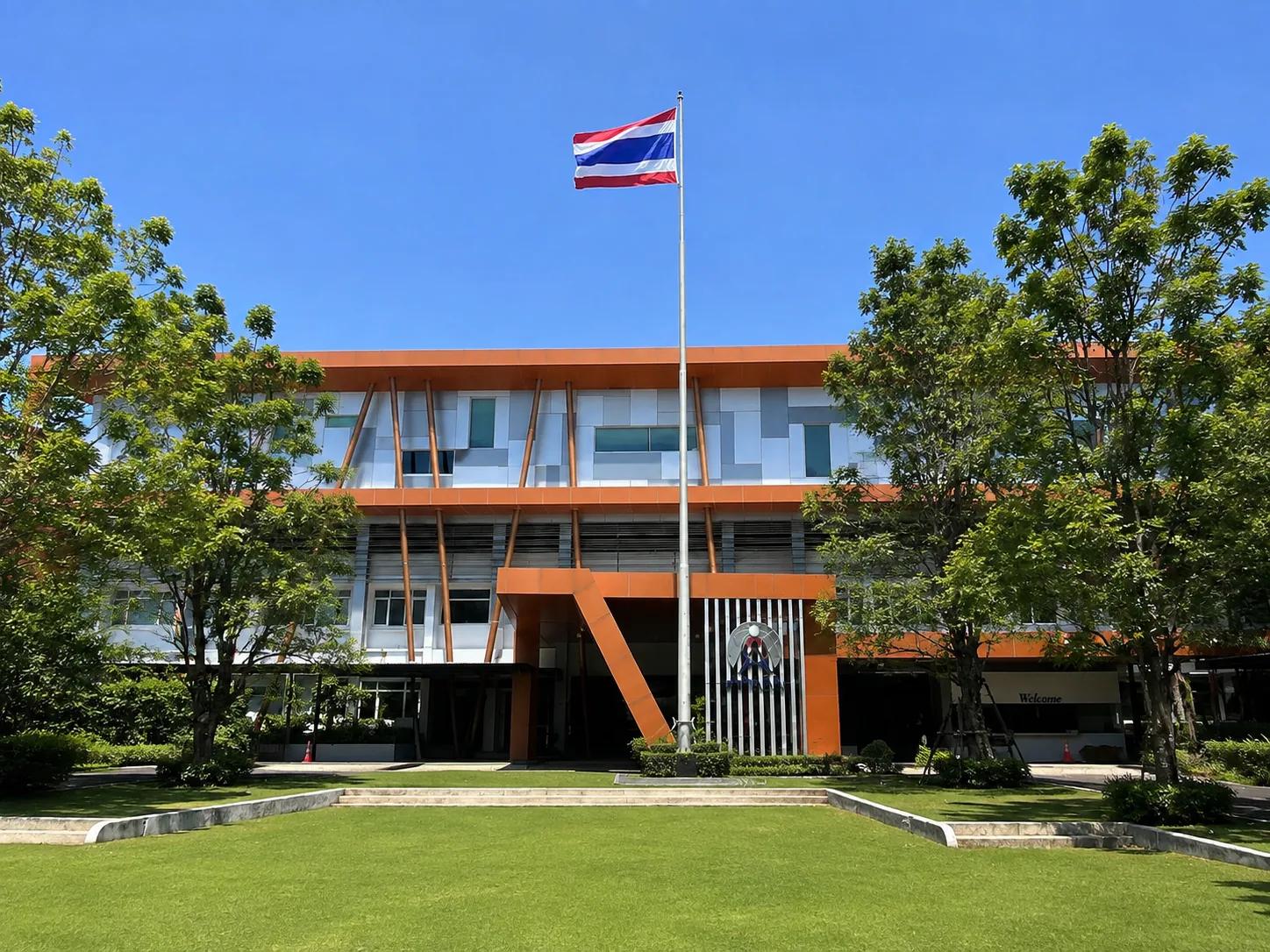
Bangkok Patana SchoolPatana
Bangkok, Thailand
Global Indian International School Tokyo
Tokyo, Japan
Nagoya International Junior & Senior High School
Nagoya, Japan
Nord Anglia International School Dubai
Dubai, United Arab Emirates
Related Curricula
FAQ: IGCSE
What is the IGCSE?
The IGCSE is an internationally recognized qualification for students aged 14-16, equivalent to the UK's GCSE. It is offered by Cambridge International and covers over 70 subjects. Students typically take 5-10 IGCSE subjects over two years.
How does the IGCSE prepare students for A-Levels?
The IGCSE provides a strong academic foundation in multiple subjects, developing essential skills in research, analysis, and examination technique. IGCSE results help students choose appropriate A-Level subjects and demonstrate readiness for advanced study.
Is the IGCSE recognized globally?
Yes, the IGCSE is recognized by universities, education providers, and employers in over 150 countries. It is the most widely taken international qualification at this level and is considered equivalent to national secondary qualifications in many countries.