IB Diploma Programme (IBDP) Schools
At a Glance
284
Schools
20
Countries
¥1.1M
Avg. Annual Fee
Top Countries for IB Diploma Programme (IBDP)
Japan
75 schools
Switzerland
16 schools
China
15 schools
Thailand
13 schools
Spain
11 schools
Singapore
10 schools
United Kingdom
10 schools
India
10 schools
Malaysia
8 schools
Hong Kong
8 schools
United Arab Emirates
8 schools
Germany
7 schools
Netherlands
6 schools
Vietnam
5 schools
Indonesia
5 schools
France
5 schools
Argentina
4 schools
Italy
4 schools
South Korea
4 schools
Mexico
4 schools
Featured IB Diploma Programme (IBDP) Schools

Aoba-Japan International School
Tokyo, Japan

Yokohama International School
Yokohama, Japan
Osaka International School of Kwansei Gakuin
Osaka, Japan
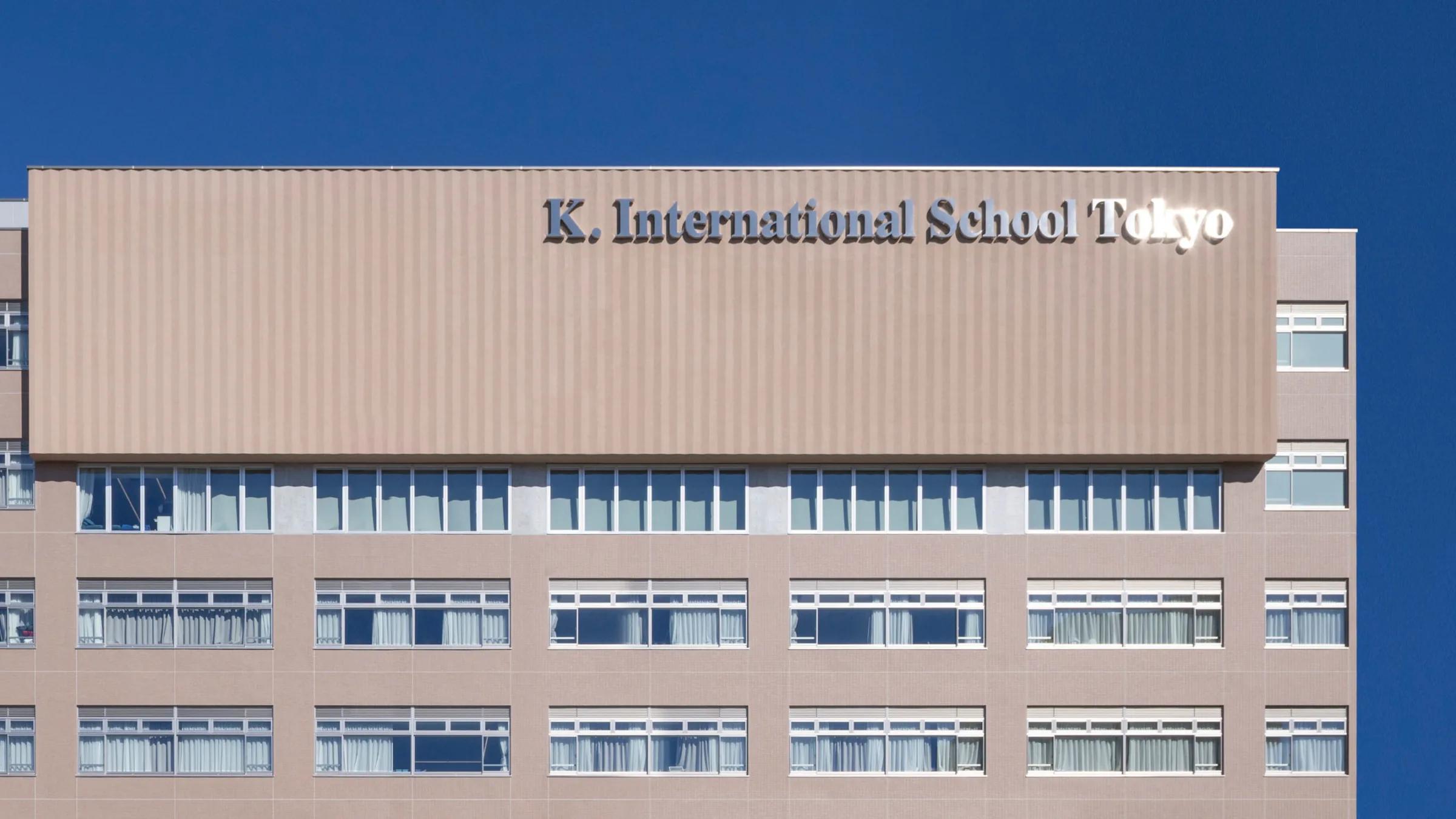

K. International School Tokyo
Tokyo, Japan
International School of the Sacred Heart
Tokyo, Japan

Saint Maur International School
Yokohama, Japan
Related Curricula
FAQ: IB Diploma Programme (IBDP)
What is the IB Diploma Programme?
The IB DP is a two-year pre-university programme for students aged 16-19. It requires study of six subjects, completion of an extended essay, Theory of Knowledge (TOK), and Creativity, Activity, Service (CAS). The maximum score is 45 points.
Is the IB Diploma accepted by universities worldwide?
Yes, the IB Diploma is recognized by over 5,000 universities in more than 100 countries, including top institutions like Oxford, Cambridge, Harvard, MIT, and the University of Tokyo. Many universities offer advanced standing or course credit for high IB scores.
How does the IB DP differ from A-Levels or AP?
Unlike A-Levels (3-4 subjects) or AP (individual exams), the IB DP requires a broad curriculum of six subjects plus core components (TOK, Extended Essay, CAS). This holistic approach develops critical thinking, research skills, and community engagement alongside academic knowledge.